


The Ocean Doesn't Belong to an Administration

By Eleanor Crawford, Junior Account Executive, Curious PR
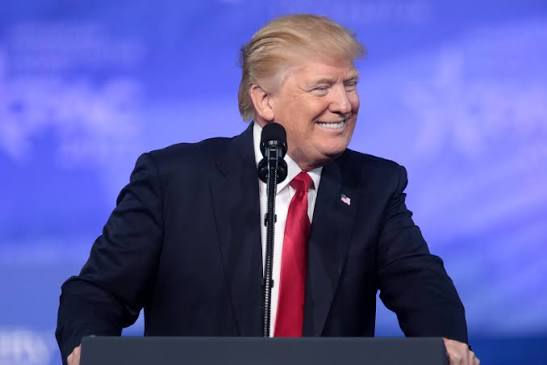
On 11 June 2026, President Trump signed an executive proclamation stripping
away commercial fishing prohibitions which were created over two decades ago
to safeguard nearly half a million square miles of protected Pacific waters.
The affected areas include Papahānaumokuākea - the vast marine national
monument surrounding the Northwestern Hawaiian Islands; the Island’s Unit of the
Mariana Trench Marine National Monument; and Rose Atoll near American
Samoa. Commerce Secretary Howard Lutnick described the order as "Restoring
U.S. seafood competitiveness."
And that word, competitiveness, tells you everything you need to know about how
Trump, and many others, view the ocean - that it is ours to ‘compete over’.
Something Larger Than Yourself
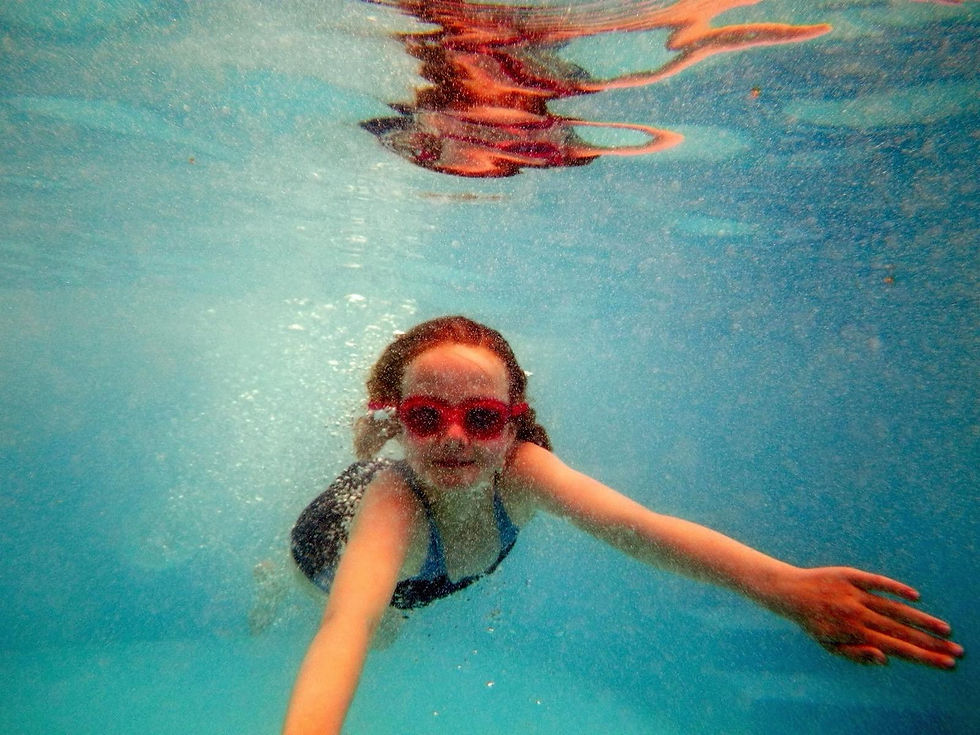
I grew up in London, but was lucky enough to go on holiday regularly - usually to Cornwall or to camp somewhere in France. I also had a father who was determined to teach me to swim before I was even confident on my own two feet!
For as long as I can remember, I’ve never felt as peaceful as when immersed in the water, bobbing up and down with the waves.
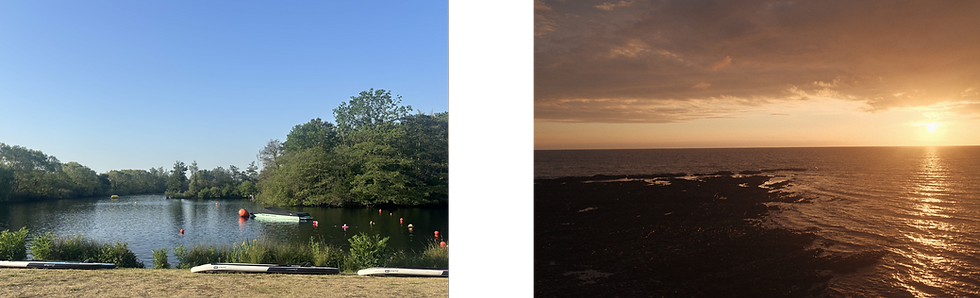
In fact, I chase approximations of this feeling in London. My early mornings are
filled with swims at the lido, and every so often, I drive to a lake near Heathrow,
where I can just about make out the drone of the M25 when my head comes up
above the water. But it's not the same - nothing quite replicates the feeling of
being in the ocean, as feeling so tiny in a vast body of water.
Norwegian philosopher, Arne Næss, spent his career articulating something close
to this feeling: the idea that human beings are not ‘observers of nature’, but
participants in it, that the natural world has an intrinsic value which exists entirely
independently of what it can ‘do’ for us. He called this ‘deep ecology’. I lacked the
vocabulary for this as a child, but encountering the term for the first time in a
university environmental ethics seminar provided me with a name for something I
had always felt.
What is the Ocean For?
What I've been grappling with, especially with Trump’s aims of ‘Restoring
American Seafood Competitiveness’, is how hard it is to hold onto a feeling of
‘deep ecology’ when the world keeps pushing a different view upon you. The
marine protected areas at stake had been established across two decades,
under both Republican and Democratic administrations. This is because, at
various points, policymakers recognised some places need to be held sacred,
and aren’t for us ‘to benefit from’.
Papahānaumokuākea hosts thousands of species found nowhere else on Earth,
and carries deep cultural significance to Native Hawaiian communities. The
Mariana Trench is the deepest oceanic trench on the planet. These aren’t like
other stretches of open water, and the people who worked to protect them knew
that. So what does it mean that we've just decided to open them up? That nearly half a million square miles of some of the most pristine and biodiverse
ecosystems on the planet will be subjected to harmful industrial fishing? What
does that say about what we think the ocean is actually for?
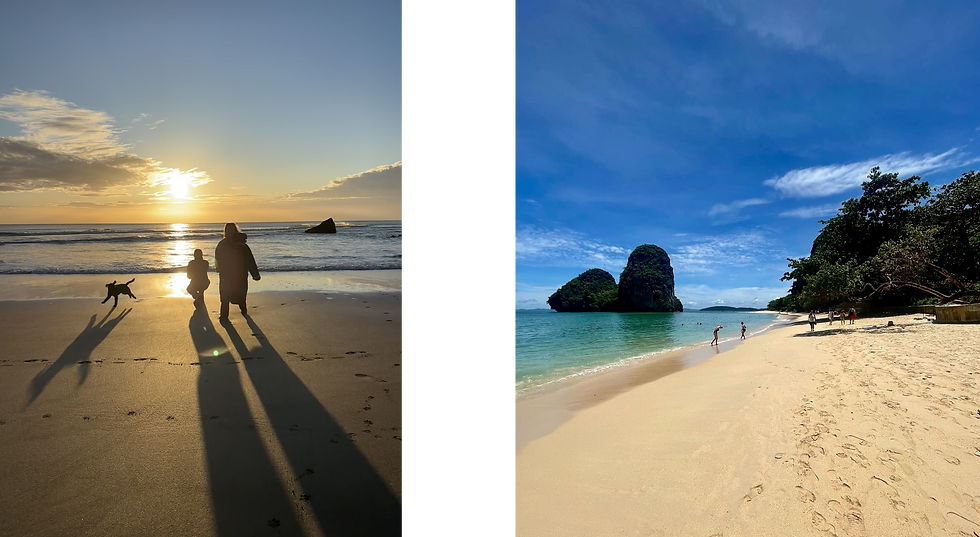
The honest answer - ecologically, if not politically - is that it is not ‘for’ anything.
Rather, it is not ‘for’ us in the way the proclamation implies. Fish migrate. Currents
carry warm water and nutrients across hemispheres. El Niño patterns -
intensifying as the oceans absorb more atmospheric heat from a warming world
- are accelerating bleaching across coral reefs which took centuries to build. The
ocean doesn't organise itself around our borders or our economic needs - and it never will.
The economist, Elinor Ostrom, won a Nobel Prize demonstrating that communities
can manage shared resources - or global commons - sustainably. She showed
that we can do this without collapse and without privatisation. How? By having a
genuine relationship of stewardship with those resources. (The operative word
being relationship, not ownership.)
What is the Ocean for?
The trouble is, relationship often requires proximity. In this case, it is hard to have a
relationship with these marine monuments without being culturally connected to
them. To truly care about the ocean, we must feel in some way attached to it,
whether that's from swimming (in my case) or being able to find wonder and
appreciation in its beauty.
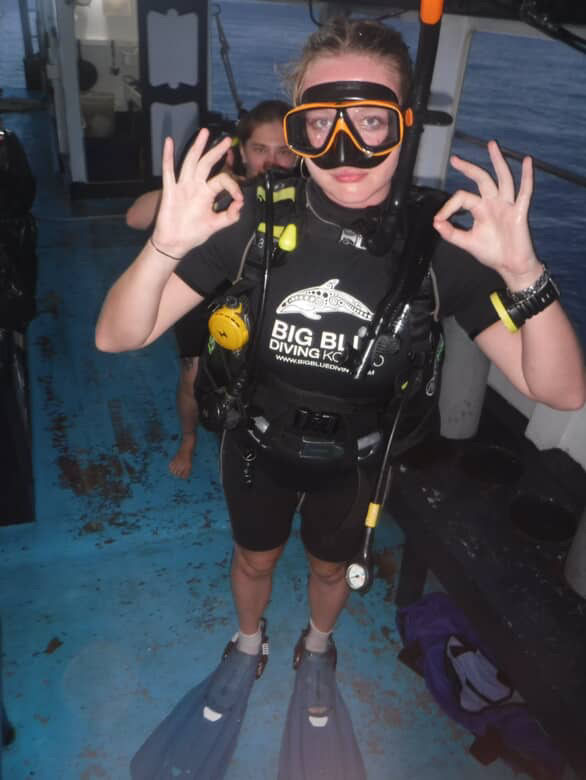
Last year, I learnt to scuba dive - something I’d been dreaming about since I was a teen. I was hooked from the first dive. The peace I felt 20m deep was genuinely
like nothing I'd experienced before. I felt so much joy to be there, and to fall in love with the ocean and its fascinating inhabitants all over again. That joy and connection - that feeling - is foundational to my relationship with the ocean.
I think about this when reflecting on why it’s hard for people to care about
something as remote as a marine monument in the Pacific, or as vast as a whole
ocean - especially in a world where we face fatigue or even apathy towards
climate concerns.
Who Gets to Speak for the Ocean?
Fortunately, Trump’s proclamation is being challenged, and communities across
the Pacific - such as the NRDC and the Papahānaumokuākea Native Hawaiian
Cultural Working Group - have said they plan to challenge the legality of this
proclamation in court. Earthjustice, which previously overturned an earlier version of this executive order in the Honolulu courts, has announced it will bring the same
legal challenge once again.
These challenges matter because they come from people whose connection to these waters runs deeper than any policy document. They have felt it, lived it, built entire cultures around it. That connection, that felt and embodied relationship with the ocean, is precisely what makes the idea of ‘competing’ over it so incomprehensible. And it's the same thing the rest of us need to find, in whatever form we can, if we're serious about defending it.
Comments